Blue orb Yellow orb

Revision Rhinoplasty in Beverly Hills: The Numbers That Matter

Revision rhinoplasty is one of the most demanding procedures in facial plastic surgery, and the published data reflects that reality. Patients researching revision rhinoplasty in Beverly Hills should know what success looks like, what it costs, and how long recovery actually takes before they sit down with any surgeon.

  • 70–80% average success rate across published studies, climbing to 90% or higher when performed by high-volume, double board-certified specialists (systematic review, Case Reports & Reviews, 2023)
  • 9.8% of primary rhinoplasty patients eventually pursue a revision (Aesthetic Surgery Journal)
  • $15,000 to $35,000+ is the typical Beverly Hills price range — roughly two to three times the cost of a primary procedure
  • 12 to 24 months for full recovery, with most visible refinement appearing between 6 and 12 months

These numbers aren't meant to discourage anyone. They underline why the surgeon you choose for a revision matters more than the surgeon you chose the first time.

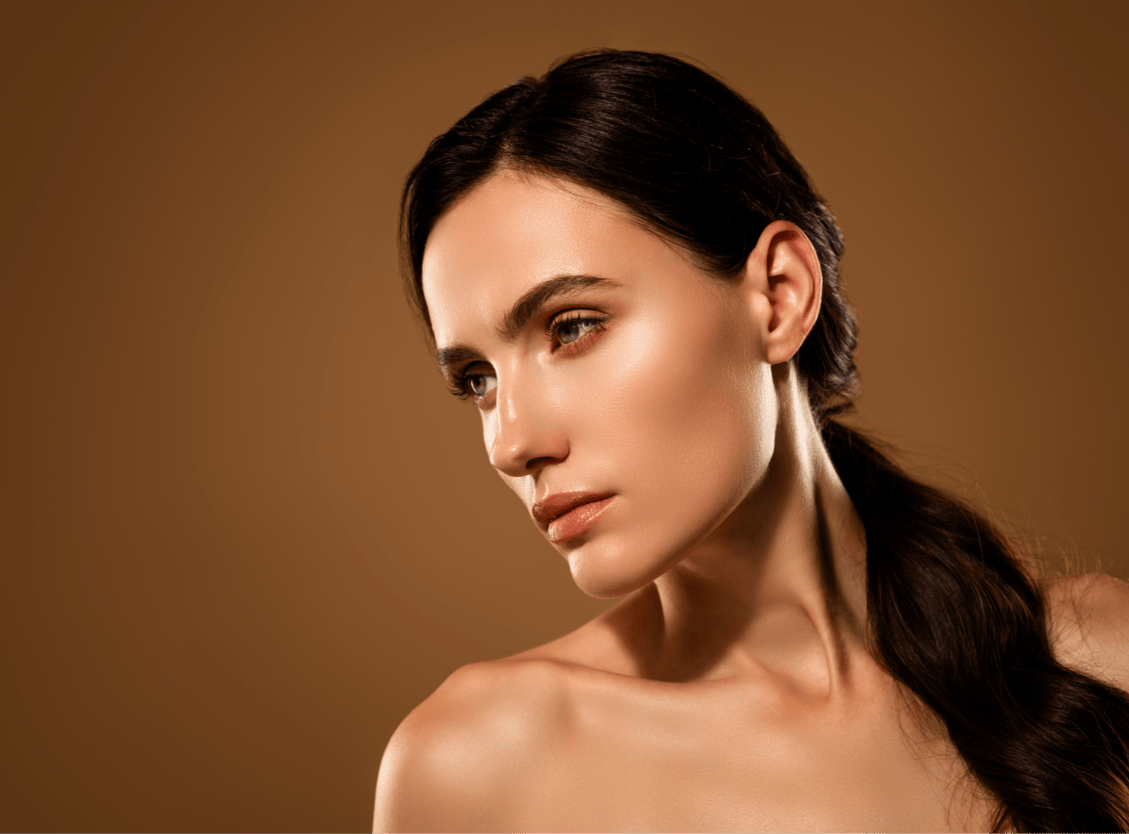
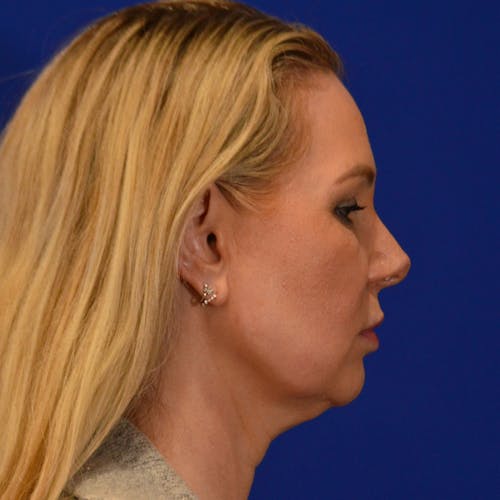
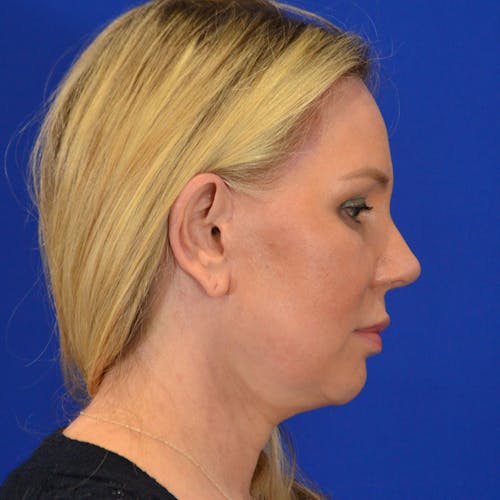
woman in studio shoot with hair tied back in a low pony tail shoes off the profile of her nose to emulate the possible results of a Beverly Hills Revision Rhinoplasty with Dr. Torkian.

What Is Revision Rhinoplasty?

Revision rhinoplasty, sometimes called secondary rhinoplasty, is a corrective nose surgery performed after a previous rhinoplasty. It addresses problems that surfaced during healing, were present from the first surgery, or developed as the nose aged. Common issues include:

  • Breathing obstruction from internal valve collapse, scar tissue, or septal damage
  • Visible asymmetry, a crooked bridge, or a pinched tip
  • Over-resection that left the nose too small, too short, or unnaturally upturned
  • Under-correction of the original concern — a hump that wasn't fully reduced, a tip that still droops
  • Cartilage warping or graft visibility that emerged years later

Dr. Torkian rebuilds structure where it was lost, refines shape where it was overdone, and restores function where breathing was compromised — often using cartilage harvested from the patient's septum, ear, or rib.
Primary Rhinoplasty vs. Revision Rhinoplasty: What Changes the Second Time

These two surgeries share a name and almost nothing else. Primary rhinoplasty starts with intact anatomy. The cartilage sits in its natural position, the skin envelope hasn't thinned, and there's no scar tissue to navigate.

Revision starts with a nose that has already been operated on. Tissue planes are scarred. Cartilage may be missing. Skin can be thinned, contracted, or attached to the underlying structure in ways that complicate dissection. Dr. Torkian frequently has to add structure rather than reduce it — grafting cartilage from the rib when the septum has already been harvested, rebuilding tip support that the first surgeon weakened, working around scar contracture that limits how the tissue will move.

The published reoperation rate after revision is also higher than after a primary procedure — roughly 23.9% versus 10.5% in one comparative study (Plastic and Reconstructive Surgery, 2021). That difference is the strongest argument for choosing a specialist the second time around.

Banner media

Open vs. Closed Revision Rhinoplasty: Which Approach Fits Your Case

The two surgical approaches differ in how Dr. Torkian accesses the nasal structure.

Closed revision uses incisions placed entirely inside the nostrils. There's no external scar, swelling tends to resolve faster, and the approach works well for limited corrections — minor tip refinement, small hump revision, or one-sided asymmetry.

Open revision adds a small incision across the columella, the strip of tissue between the nostrils. The scar fades to near-invisibility within a year. Its advantage is direct visualization. For complex revisions involving major grafting, structural rebuilding, or correction of severe asymmetry, the open approach gives Dr. Torkian the surgical access required to do the work properly. Most revision cases at his Beverly Hills practice are performed open for this reason. Recovery timelines for both approaches are similar.

Surgical vs. Liquid Revision Rhinoplasty: When a Filler-Based Touch-Up Is Enough

Not every disappointing rhinoplasty result requires another surgery. A liquid (non-surgical) revision uses dermal fillers to camouflage minor irregularities — a small bump along the bridge, slight asymmetry, or a depression where cartilage was over-resected.

Liquid revision is fast, requires no recovery, and costs a fraction of surgical revision. It also has clear limits. Filler can add volume but never remove it. Patients who need their nose made smaller, straighter, or who have functional breathing problems require surgical revision, not a non-surgical nose job. Dr. Torkian offers both and will tell you honestly which one your case calls for.

Banner media

Why Beverly Hills Patients Choose Dr. Torkian for Revision Rhinoplasty

Patients travel to Dr. Torkian's Beverly Hills practice from across Los Angeles, the United States, and overseas. Often, after one or two unsuccessful surgeries elsewhere. A few reasons keep coming up in consultations.

  • Subspecialty focus. Dr. Torkian operates only on the face, head, and neck. Within that scope, rhinoplasty, and revision rhinoplasty in particular, is the procedure he performs most often. Volume matters in revision work because no two cases look the same.
  • Double board certification. He holds certification from both the American Board of Facial Plastic and Reconstructive Surgery and the American Board of Otolaryngology – Head and Neck Surgery. The first board confirms his cosmetic training. The second confirms he understands what's happening inside the nose well enough to fix functional damage from the first surgery, not just camouflage it.
  • Experience with Persian and Middle Eastern patients. Beverly Hills has one of the largest Iranian-American populations in the United States, and the nasal anatomy of Persian and Middle Eastern patients carries specific structural traits — thicker skin, stronger cartilage, and dorsal humps that demand reduction without collapsing tip support. Dr. Torkian's ethnic rhinoplasty experience translates directly into revision work for these patients.
  • The Lasky Clinic. Dr. Torkian performs all surgical revisions at The Lasky Clinic, an AAAHC-accredited outpatient surgical facility located in the same building as his Beverly Hills office at 201 S. Lasky Drive.

Serving Beverly Hills, West Hollywood, Brentwood, and Greater Los Angeles

The practice sits two blocks south of Wilshire Boulevard, minutes from the Cedars-Sinai medical district. Patients regularly travel from West Hollywood, Brentwood, Bel Air, Santa Monica, Pacific Palisades, the San Fernando Valley, Pasadena, and Orange County. Out-of-town patients staying for surgery and recovery often book accommodations through one of the partnered aftercare facilities within walking distance of the clinic.

Dr. Torkian's Revision Rhinoplasty Approach: Technique, Philosophy, and Credentials

Revision work demands a different mindset than primary surgery. The goal is to read what was done before, identify what went wrong, and rebuild the nose toward balance using whatever structural material is available.

Why Double Board Certification Matters for Revision Cases

Most plastic surgeons train in either cosmetic surgery or otolaryngology. Dr. Torkian completed full residency and fellowship training in both. That dual background is unusual, and it's directly relevant to revision rhinoplasty because failed first surgeries frequently involve both cosmetic and functional problems. Fixing one without addressing the other usually means a third surgery within a few years. Anyone can verify Dr. Torkian's certifications through the ABFPRS and ABOHNS online directories.

The Vectra 3D Imaging Difference

Every revision consultation at the Beverly Hills practice includes a Vectra scan, the three-dimensional imaging system developed by Canfield Imaging Systems. The scan lets Dr. Torkian show you the projected outcome before surgery — and lets you adjust that outcome until it matches what you want. For revision patients, especially, this is the moment when expectations get aligned with what the underlying anatomy will actually allow.

Banner media

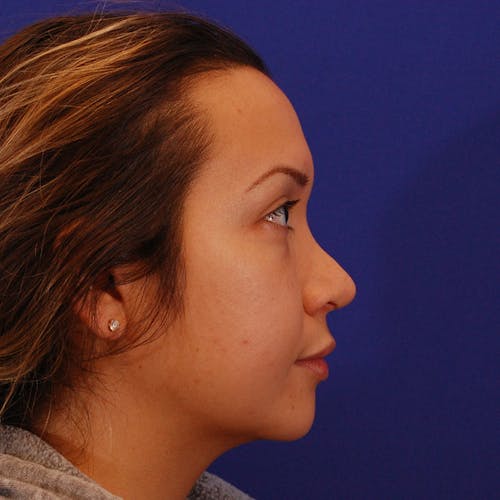
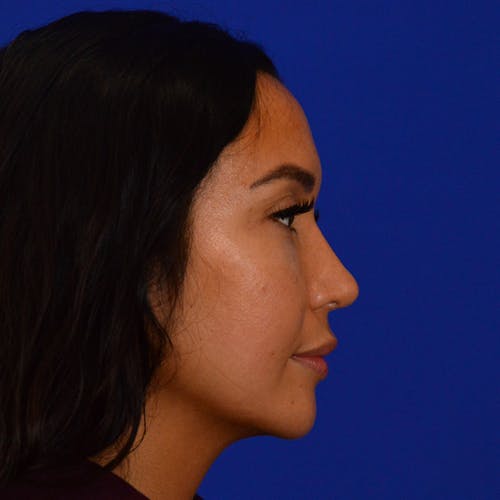
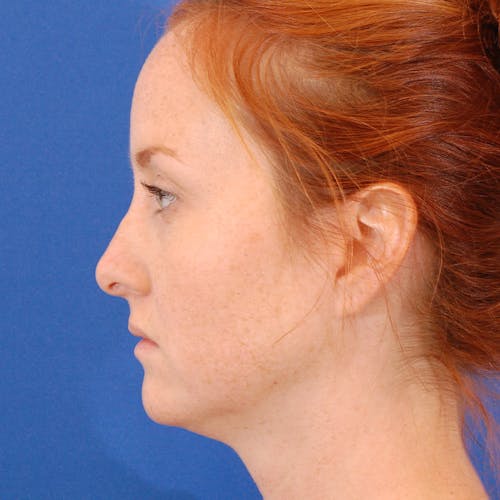
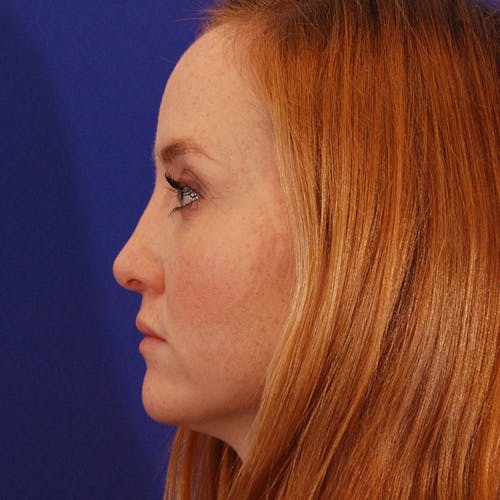
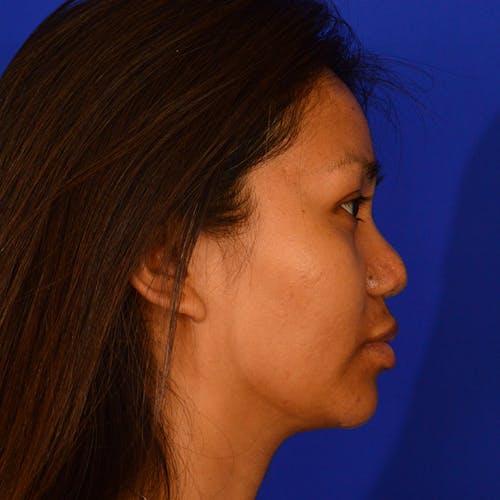
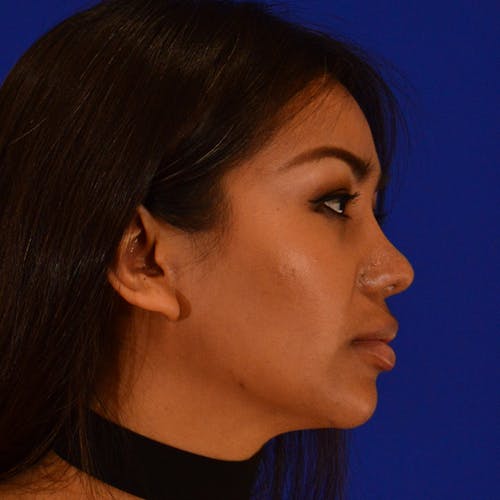
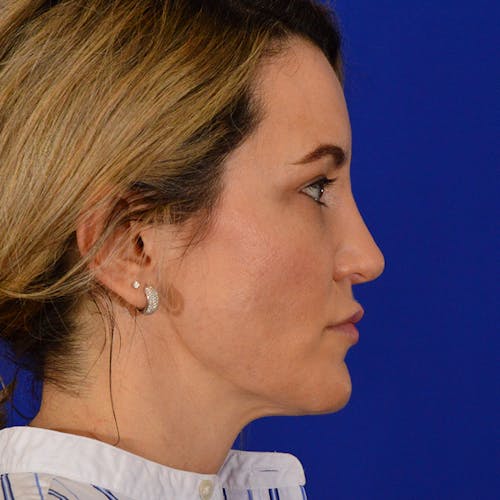
Revision Rhinoplasty Before & After

View More Revision Rhinoplsty Results

Revision Rhinoplasty Patient Testimonial

Dr. Torkian is THE BEST!!!! I had a very special case for a revision rhinoplasty and he not only did an amazing job but he was also one of the most caring doctors I have ever had. He listens and takes the time to answer any and all questions...he also put up with my insane anxiety which he deserves a gold medal for.

I feel great and look great and I have Dr. Torkian and his staff to thank. He is a true artist and I am so grateful I found him when I did. Do yourself a favor and make that appointment!!!!

Mandy M.

Styled blue background
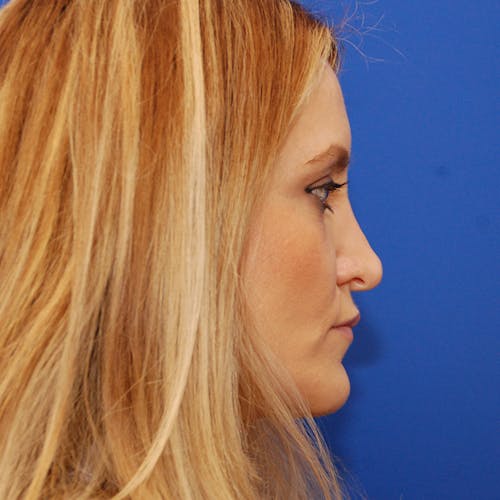
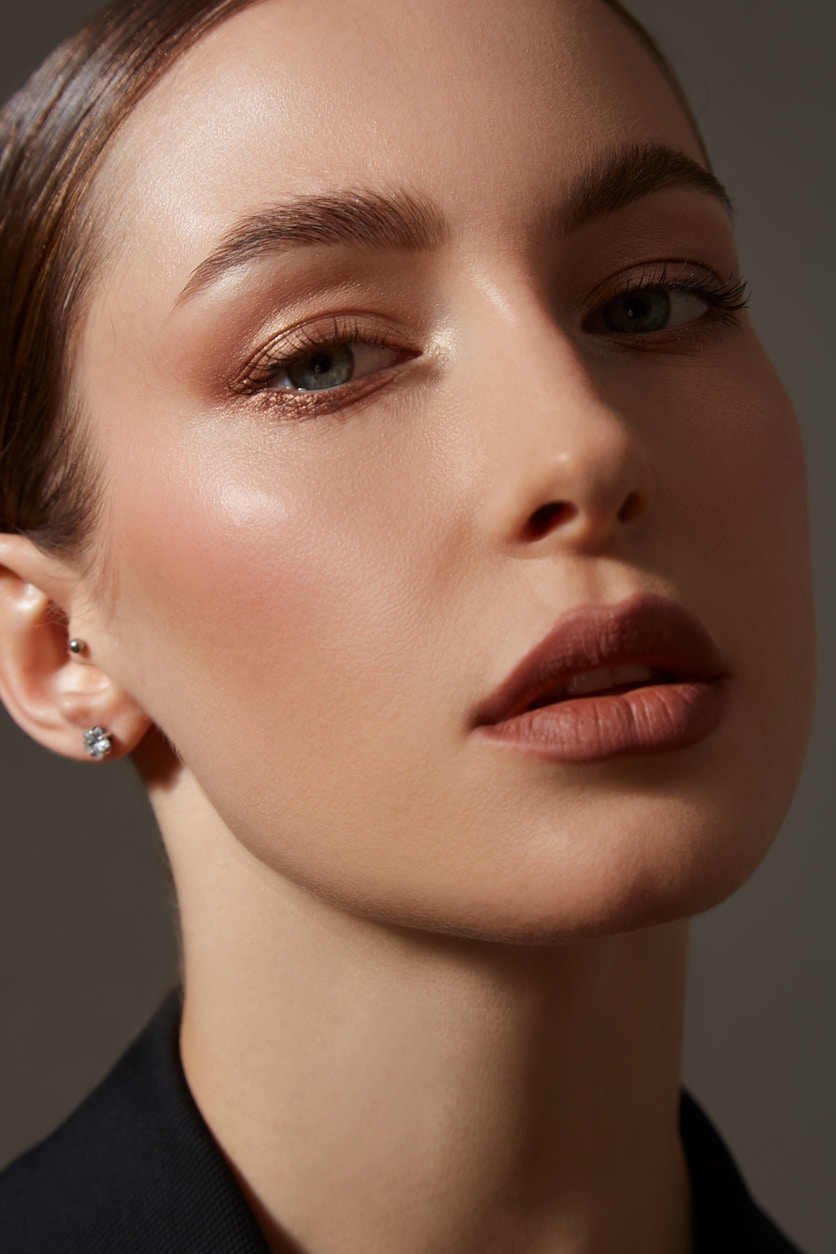
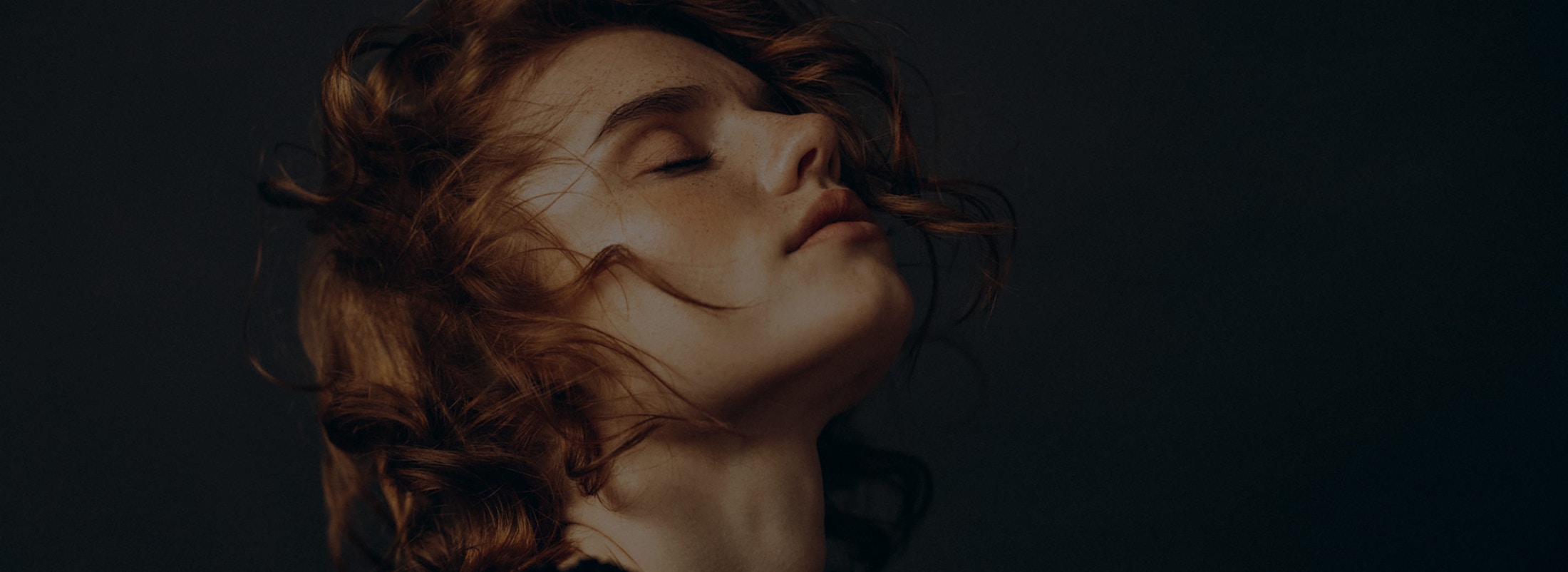
Gorgeous woman poses in a stylized studio shoot. She has a beautiful nose to show the potential results of a rhinoplasty in Beverly Hills with Dr. Torkian

Common Reasons Patients Seek Revision Nose Surgery

Some patients arrive with one specific complaint. Others arrive with a list. The reasons typically cluster into a few categories:

  • Pinched, collapsed, or asymmetrical nasal tip
  • Breathing obstruction from internal or external valve collapse
  • A bridge that was over-reduced, leaving a saddle deformity or scooped profile
  • A hump that wasn't fully addressed and slowly became more visible during healing
  • Crooked nose, deviated dorsum, or visible step-offs along the bridge
  • Nostril asymmetry — pinched, flared, or notched alar rims
  • Visible or palpable graft edges from the first surgery
  • Loss of tip support causing a drooping appearance with smiling

Each of these has a different surgical solution. Dr. Torkian builds the plan around the specific problem rather than applying one technique to every revision.

When to Schedule Your Revision: The 12-Month Rule

Most revision patients want their corrections done as soon as possible. Dr. Torkian almost always recommends waiting at least 12 months after the original rhinoplasty before operating again.

Three things happen during that year. Swelling fully resolves, which means the nose you see at month 12 is closer to the nose you'll have in five years. Scar tissue matures and becomes easier to work with. The skin envelope settles, revealing the true underlying structure. Operating before this point risks correcting a problem that wasn't actually there — or missing one that hadn't yet appeared. Exceptions exist. Severe breathing obstruction, infection, or graft extrusion sometimes requires earlier intervention.

How Much Does Revision Rhinoplasty Cost in Beverly Hills?

Revision rhinoplasty in Beverly Hills ranges greatly depending on case complexity, grafting requirements, and whether the procedure addresses both functional and cosmetic concerns. That figure is roughly two to three times the cost of a primary procedure, and the gap exists for specific reasons. Revision surgery takes longer in the operating room. It frequently requires harvesting cartilage from the rib or ear, which adds a separate surgical site. 

The technical skill required is higher, and surgeons who do this work consistently price accordingly. Insurance occasionally covers the functional portion of a revision when documented breathing problems exist. The cosmetic portion is not covered. Financing options are available through the practice.

Revision Rhinoplasty Recovery: What 12 to 24 Months Really Looks Like

Recovery from revision rhinoplasty unfolds in phases. Knowing the timeline in advance prevents the panic that sets in around month three when the nose still doesn't look "done."

  • Week 1. Dr. Torkian removes the splint and dressings at the one-week follow-up. Bruising around the eyes peaks at days three to four and resolves within two weeks.
  • Weeks 2–6. Most visible swelling subsides. Patients return to desk work within 7 to 10 days and to non-contact exercise around week three. Strenuous activity, contact sports, and anything risking nasal trauma stay off the schedule until week six.
  • Months 3–6. The bridge looks essentially normal. The tip is still firm and slightly swollen — this is normal and expected.
  • Months 6–12. The nose continues to refine. Definition appears. Most patients see what they consider their "result" sometime in this window.
  • Months 12–24. Final refinement. Tip swelling, which lasts longest after revision, fully resolves. The skin envelope drapes over the new structure.

The 12-to-24-month full-recovery window is longer than most patients expect, but it's the honest answer.

Banner media

Your Consultation with Dr. Torkian

Every revision consultation begins with one question: what wasn't right about the first surgery? Dr. Torkian wants to hear it in your words before he forms his own opinion. He then performs a physical exam, reviews any operative reports from the previous surgeon if you can obtain them, and runs a Vectra scan to map the current anatomy in three dimensions.

The conversation that follows is honest. If revision can deliver what you want, he'll explain how. If a non-surgical correction is the better option, he'll say so. And if the result you're looking for isn't anatomically achievable, he'll tell you that too.

Revision Rhinoplasty FAQs

How Much Does Revision Rhinoplasty Cost in Beverly Hills?

What's the Success Rate of Revision Rhinoplasty?

Will Insurance Cover My Revision Rhinoplasty?

How Long Should I Wait Before Having a Revision Rhinoplasty?

What Kind of Cartilage Graft Is Used in Revision Rhinoplasty?

Will Scar Tissue From My First Surgery Affect the Result?

Can Revision Rhinoplasty Make My Nose Worse?

Is Revision Rhinoplasty Worth It?

How Do I Choose the Right Revision Rhinoplasty Surgeon?

Are There Special Considerations for Persian or Middle Eastern Noses in Revision?

How Much Does Revision Rhinoplasty Cost in Beverly Hills?

Revision rhinoplasty at Dr. Torkian's Beverly Hills practice typically falls between $15,000 and $35,000+, with final cost depending on complexity, grafting, and operating time. Functional components may be partially covered by insurance.

What's the Success Rate of Revision Rhinoplasty?

Published systematic reviews report a 70–80% success rate for revision rhinoplasty, with rates climbing to 90% or higher when performed by high-volume specialists with double board certification (Case Reports & Reviews, 2023).

Will Insurance Cover My Revision Rhinoplasty?

Insurance does not cover cosmetic revision. Carriers may cover the functional portion when a physical exam documents breathing obstruction, sometimes accompanied by sleep study or imaging. Insurance carriers require pre-authorization before surgery.

How Long Should I Wait Before Having a Revision Rhinoplasty?

Twelve months is the standard minimum wait after a primary rhinoplasty. Earlier intervention is reserved for infection, graft extrusion, or severe functional problems that can't wait.

What Kind of Cartilage Graft Is Used in Revision Rhinoplasty?

Dr. Torkian prefers septal cartilage when available. After multiple prior surgeries the septum is often depleted, in which case he uses ear (conchal) cartilage for smaller grafting needs or rib (costal) cartilage when significant structural rebuilding is required.

Will Scar Tissue From My First Surgery Affect the Result?

Yes, and it's one of the main reasons revision is harder than a primary procedure. Scar tissue makes dissection less predictable and can distort how the nose heals. Dr. Torkian plans for it in advance and uses techniques designed to release contracted tissue without compromising vascularity.

Can Revision Rhinoplasty Make My Nose Worse?

It can, and this is why surgeon selection matters more for revision than for any other facial procedure. The reoperation rate after revision rhinoplasty is roughly 23.9%, higher than the 10.5% rate after primary surgery (PRS, 2021). Choosing a high-volume revision specialist substantially lowers that risk.

Is Revision Rhinoplasty Worth It?

For patients with significant cosmetic or functional concerns from their first surgery, the answer is usually yes — provided expectations are realistic and the surgeon has revision-specific experience. Patient satisfaction in published series is high, even when objective "success" by surgeon assessment is lower.

How Do I Choose the Right Revision Rhinoplasty Surgeon?

Look for double board certification (ABFPRS plus ABOHNS), a high volume of revision-specific cases (not just primary rhinoplasty), open communication about what is and isn't achievable, and a portfolio of revision before-and-after photos rather than primary rhinoplasty photos.

Are There Special Considerations for Persian or Middle Eastern Noses in Revision?

Yes. Persian and Middle Eastern noses tend to have thicker skin, stronger underlying cartilage, and prominent dorsal humps. Revision in this group frequently involves rebuilding structure that was over-resected during the first surgery while preserving ethnic identity. Dr. Torkian's experience with ethnic rhinoplasty carries directly into revision work for these patients.

Follow Us on Social Media

Follow us on Instagram: @torkianaesthetics
Contact us media
Accessibility: If you are vision-impaired or have some other impairment covered by the Americans with Disabilities Act or a similar law, and you wish to discuss potential accommodations related to using this website, please contact our Accessibility Manager at (424) 453-8535.
Contact Us