Blue orb Yellow orb

A Functional Specialist for a Functional Problem

Septoplasty is a breathing surgery, not a cosmetic one, and the surgeon's training matters just as much as it would for any nose job. Dr. Torkian holds dual board certification in otolaryngology – head and neck surgery and facial plastic and reconstructive surgery. The first board is the one that makes septoplasty his core surgical skill set, years of focused training in the anatomy and function of the nasal airway. Patients across Los Angeles searching for a septoplasty surgeon who understands both how the nose breathes and how it looks find both in one operator.

What Is Septoplasty?

Septoplasty is a surgical procedure that straightens a deviated nasal septum, the wall of bone and cartilage that divides the nasal cavity into two airways. When that wall is bent, twisted, or off-center, one or both nasal passages narrow. Airflow drops. Patients may notice chronic congestion, unilateral obstruction, mouth breathing at night, frequent sinus infections, or noisy breathing during exercise.

The procedure happens entirely inside the nose. Dr. Torkian makes a small incision on the inside of one nostril, lifts the lining off the underlying septum, and reshapes or removes the deviated portions of cartilage and bone. The lining returns to its position before closure. There's no external scar. The shape of the nose from the outside doesn't change.
How Common Is a Deviated Septum?

Some degree of septal deviation is the rule rather than the exception. Estimates from ENT Health, the patient education arm of the American Academy of Otolaryngology, place the figure at roughly 80% of the population. Most of those people have no symptoms. The deviation only becomes a clinical problem when it's severe enough to obstruct airflow, distort sinus drainage, or interfere with sleep.

Symptoms That Point Toward Septoplasty

Patients usually arrive at Dr. Torkian's Beverly Hills practice describing one or several of these:

  • Persistent congestion on one side, often the same side for years
  • Difficulty breathing through the nose during exercise, sleep, or both
  • Recurrent sinus infections that don't fully resolve with medication
  • Snoring or obstructive sleep apnea
  • Mouth breathing, especially at night, leading to dry mouth or sore throat in the morning
  • Nosebleeds related to airflow turbulence around the deviated area
  • Headaches or facial pressure linked to sinus drainage problems

Many patients have lived with these symptoms for years, assuming they were normal. A focused examination often reveals that they aren't.

Banner media

What Causes a Deviated Septum?

Some people are born with a deviated septum from in-utero development or birth-related pressure. Others develop one through trauma, a sports injury, a fall, a car accident, sometimes an impact the patient doesn't even remember. The deviation can also worsen gradually as facial growth continues into the late teens and early twenties.

Benefits of Septoplasty

When septoplasty is the right procedure for the right patient, the results are tangible:

  • Clearer breathing through both nostrils
  • Better sleep, often with reduced or eliminated snoring
  • Fewer sinus infections in patients whose deviation was causing chronic drainage problems
  • Improved exercise tolerance
  • Resolution of mouth breathing and the dry-mouth, sore-throat symptoms that accompany it
  • Reduced reliance on nasal sprays, decongestants, and antihistamines
Banner media

Who Is a Candidate for Septoplasty in Beverly Hills?

Strong candidates for septoplasty in Beverly Hills typically have:

  • Symptoms of nasal obstruction that haven't resolved with medical management (sprays, antihistamines, allergy treatment)
  • A deviated septum is visible on physical examination, often confirmed with imaging
  • Good general health and no untreated bleeding disorders
  • Realistic expectations, septoplasty improves breathing, not appearance
  • For teens: facial growth that has reached an appropriate stage, typically mid-to-late teens

Patients with mild deviation and easily controlled symptoms are often better served by continued medical treatment. Dr. Torkian says so when that's the case.

Why Choose Dr. Torkian for Septoplasty in Beverly Hills

A few things distinguish Dr. Torkian's septoplasty practice from a general ENT or a cosmetic-only plastic surgeon.

Dual training. His otolaryngology board certification is the credential most directly relevant to septoplasty. His facial plastic certification means he understands how nasal structure relates to nasal function, and won't compromise one for the other.

No cosmetic compromise. Some septoplasty patients have noses they're happy with from the outside and don't want changed. Dr. Torkian's surgical approach preserves the external appearance entirely while restructuring the airway underneath.

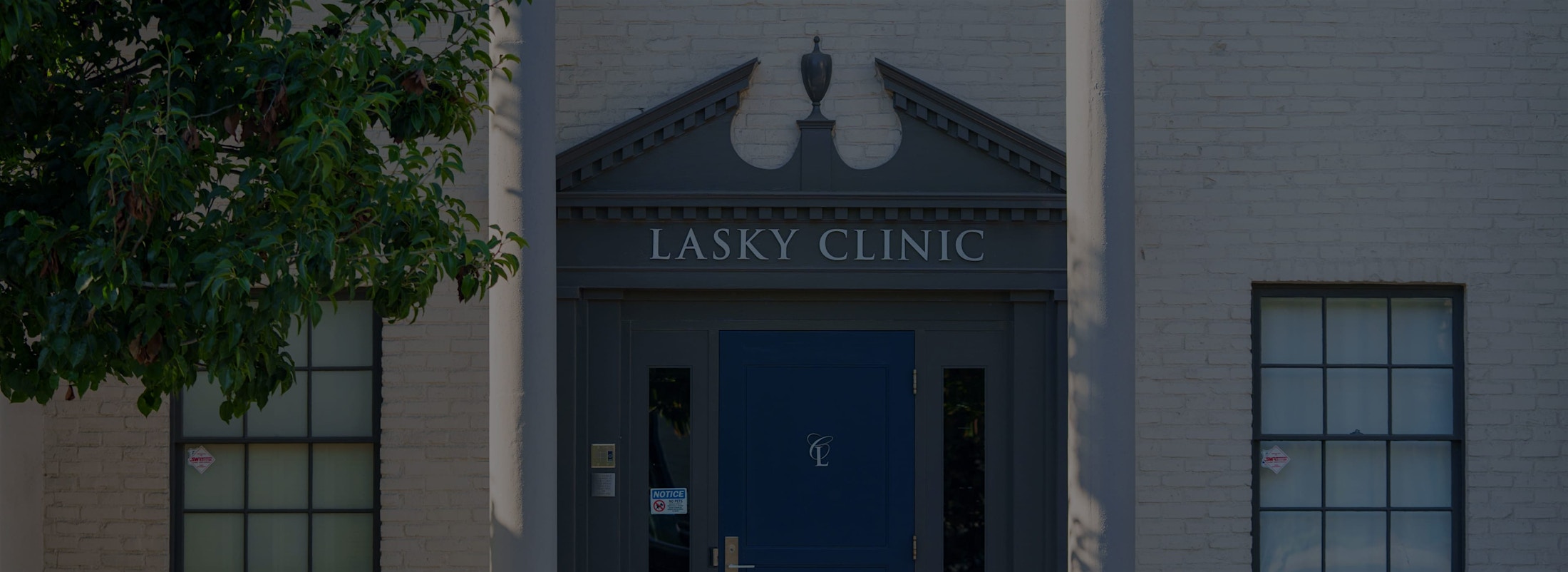
The Lasky Clinic. Dr. Torkian performs every septoplasty at The Lasky Clinic, an AAAHC-accredited outpatient facility located in the same building as his Beverly Hills office.

Logo media

Insurance and Cost of Septoplasty in Beverly Hills

Because septoplasty is a functional procedure addressing documented breathing obstruction, insurance often covers some or all of the cost. Coverage requires:

  • A physical examination documenting septal deviation
  • Documentation of symptoms — congestion, obstruction, sleep impact
  • Failed medical management (a documented trial of nasal sprays, antihistamines, or other treatments)
  • Pre-authorization from the insurance carrier

Dr. Torkian's office helps patients navigate pre-authorization. Out-of-pocket costs for septoplasty in the Beverly Hills market typically range from $3,000 to $8,000 when insurance is not used. Combined septorhinoplasty, functional plus cosmetic in one procedure, runs higher because of the additional cosmetic component.

What to Expect: Consultation, Surgery, Recovery

The Consultation

Dr. Torkian's septoplasty consultation begins with a focused conversation about symptoms — when they started, what makes them worse, what has and hasn't worked. He then performs an internal nasal exam, often with a small endoscope to see the full length of the septum. Imaging gets ordered when it adds clinical value.

If septoplasty is indicated, he reviews the procedure step-by-step, discusses recovery, and explains what insurance coverage will and won't include.

The Procedure

Septoplasty is performed under general anesthesia at The Lasky Clinic. Operating time is typically 45 to 90 minutes for septoplasty alone, longer if combined with turbinate reduction or rhinoplasty. The patient goes home the same day with a responsible adult.

There's no external splint, no facial bruising, and no visible swelling. Internal nasal splints — small soft pieces of plastic — sometimes stay inside the nose for the first week to support healing.

Recovery

Septoplasty recovery is faster and easier than cosmetic rhinoplasty.

  • Days 1–3. Mild congestion, some bloody drainage, light pain controlled with prescription or over-the-counter medication. Patients sleep elevated.
  • Days 4–7. Congestion peaks and begins to ease. Internal splints removed at the one-week follow-up.
  • Weeks 2–3. Most patients return to work within 7 to 10 days. Light exercise resumes around two weeks.
  • Weeks 3–6. Breathing improves noticeably as internal swelling resolves. Contact sports and heavy lifting return at the six-week mark.
  • Months 1–3. Full breathing improvement. Most patients describe a clear "I can breathe through my nose" moment somewhere in this window.
Background media

Subtypes and Combined Procedures

Septoplasty is rarely done alone in complex cases. Dr. Torkian commonly combines it with:

  • Turbinate reduction — shrinks enlarged turbinates that contribute to obstruction
  • Nasal valve repair — supports the internal nasal valve when it collapses during inspiration
  • Septorhinoplasty — combines septoplasty with cosmetic rhinoplasty in one operation
  • Sinus surgery — for patients with chronic sinusitis alongside septal deviation

The right combination depends on what the examination reveals.

aesthetic image

Alternatives to Septoplasty

Not every deviated septum requires surgery. Before recommending septoplasty, Dr. Torkian considers:

  • Medical management — prescription nasal steroid sprays, antihistamines, allergy treatment
  • Lifestyle modifications — humidifiers, saline rinses, allergen avoidance
  • Nasal valve dilators — external strips or internal cones that mechanically open the airway

When these have been tried, and the obstruction remains, septoplasty becomes the practical next step.

Banner media

Schedule a Septoplasty Consultation in Beverly Hills

If you've been congested for years and assumed it was just how your nose works — or if breathing through one nostril has always been harder than the other — Dr. Torkian invites you to come in for an evaluation. Many patients leave their first consultation surprised at how much of their daily congestion is structural rather than allergic, and how straightforward the fix actually is.

Call (424) 453-8535 or request a consultation online to schedule your septoplasty evaluation at The Lasky Clinic, 201 S. Lasky Drive, Beverly Hills, CA 90212.

Septoplasty FAQs

Will Septoplasty Change the Way My Nose Looks From the Outside?

Can My Septum Deviate Again Over Time?

Will I Need Nasal Packing After Septoplasty?

Will Septoplasty Affect My Sense of Smell or Taste?

Will I Still Have Allergy Symptoms After Septoplasty?

How Long After Septoplasty Can I Fly on a Plane?

If I Have Sleep Apnea, Will Septoplasty Replace My CPAP?

Can I Blow My Nose During Recovery?

Will Septoplasty Change the Way My Nose Looks From the Outside?

Septoplasty is performed entirely inside the nose, using a surgical technique designed to preserve the external appearance. The shape of the bridge, tip, and nostrils stays exactly the same, only patients who want cosmetic changes pursue a combined septorhinoplasty.

Can My Septum Deviate Again Over Time?

A properly performed primary septoplasty is generally a one-time fix, but minor recurrence is possible if scar tissue forms abnormally or if new trauma displaces the septum. Patients who maintain stable results at the one-year mark typically stay stable indefinitely.

Will I Need Nasal Packing After Septoplasty?

Dr. Torkian rarely uses traditional nasal packing, since the discomfort of removal outweighs its benefit in most cases. He sometimes places internal silicone splints instead for the first week, and they're far more comfortable and easier to remove than packing.

Will Septoplasty Affect My Sense of Smell or Taste?

Temporary reduction in smell and taste is normal during the first two to three weeks of swelling and congestion. Long-term smell function typically improves rather than worsens after septoplasty, because better airflow delivers more odor molecules to the olfactory receptors at the top of the nose.

Will I Still Have Allergy Symptoms After Septoplasty?

Septoplasty doesn't treat allergies, as it only corrects the physical structure of the airway rather than the inflammatory response to allergens. Patients with both conditions typically need ongoing allergy management even after surgery, though a post-septoplasty airway tolerates allergic congestion better than a deviated one.

How Long After Septoplasty Can I Fly on a Plane?

Most patients can safely fly about two weeks after septoplasty, once initial swelling and congestion have eased enough that cabin pressure changes won't cause discomfort. Dr. Torkian discusses any planned travel during the consultation and adjusts timing recommendations based on flight duration and destination.

If I Have Sleep Apnea, Will Septoplasty Replace My CPAP?

Septoplasty rarely eliminates obstructive sleep apnea on its own, since most apnea originates from the soft palate and tongue rather than from the nose. The procedure often makes CPAP therapy more comfortable and effective, as better nasal airflow reduces the pressure required in the mask.

Can I Blow My Nose During Recovery?

Patients should avoid nose blowing for the first two weeks because the pressure can disrupt healing and cause bleeding. Dr. Torkian provides saline rinses and gentle suction techniques to manage congestion safely during that window.

Follow Us on Social Media

Follow us on Instagram: @torkianaesthetics
Contact us media
Accessibility: If you are vision-impaired or have some other impairment covered by the Americans with Disabilities Act or a similar law, and you wish to discuss potential accommodations related to using this website, please contact our Accessibility Manager at (424) 453-8535.
Contact Us